

Biodiversity
Kielo’s biodiversity work supports the preservation of existing grass areas and the creation of new areas for pollinators on properties.
The real estate sector has the opportunity to protect biodiversity
The real estate sector and construction have many impacts on nature and ecosystems, such as changes in land use, use of natural resources, climate change impacts, waste and pollution, and the possible spread of invasive species.
Biodiversity is part of the group’s climate transition plan. The plan includes initiatives related to energy efficiency, sustainable investments, waste management and circular economy, as well as transport, accessibility, and biodiversity. Kielo is also committed to the plan’s objectives.
Biodiversity is also reported as part of the group’s taxonomy reporting, where the protection, restoration, and preservation of biodiversity is one of the six main objectives of the taxonomy.
Kielo’s biodiversity work aims to preserve existing grass areas and develop new areas adjacent to properties. This creates more space for pollinators and ensures they thrive even better.
Meadows provide habitat for pollinators
Traditional, short-cut lawns offer little food or shelter for insects and other small organisms. Meadows, on the other hand, provide habitat for many plant and animal species essential to ecosystem functioning, such as bees and butterflies. Meadows are important traditional biotopes that have formed over a long period through human activities such as grazing and mowing. Preserving these traditional biotopes is important because they also provide habitat for many endangered species.
Meadow projects are part of Kielo’s sustainability goals, supporting ecological sustainability. The aim of Kielo’s meadow projects is to enliven urban environments and provide habitat for important pollinators. At the same time, experience is gained on the effects of meadow creation for possible expansion of the experiment.
The first year of projects implemented on Kielo’s properties serves as a foundation for long-term development work. Areas are intentionally left unmanaged, and the grass is allowed to grow. This allows assessment of the initial situation, i.e., soil condition and original vegetation. After that, the vegetation is observed and documented regularly, and suitable management methods are determined for each area based on the assessment.

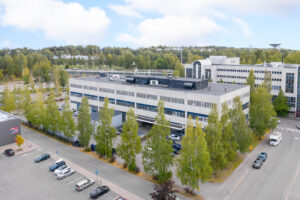
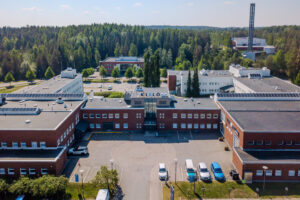
Kielo lets the grass grow: meadowing projects in Hyvinkää, Jyväskylä, Tampere, and Lappeenranta
Have you notcied that the lawn your workplace premises is growing wild? Kielo has not abandoned the maintenance of its properties; instead,
Read More